

Your home is one of your most valuable investments, and maintaining its appearance requires more than occasional cleaning or minor repairs. Whether you want to refresh your living room, update your kitchen, repaint your home’s exterior, or prepare a property for sale, professional residential painting services in Chesapeake, VA, can help you achieve beautiful, durable results.
Professional painters do more than apply paint to walls. They evaluate surface conditions, prepare walls and siding, recommend suitable coatings, protect surrounding areas, and use application techniques designed to create a smooth, consistent finish.
Chesapeake’s humid summers, seasonal rainfall, and changing temperatures also make proper paint selection and preparation especially important. Choosing an experienced residential painting contractor can help homeowners protect their properties while improving curb appeal, comfort, and long-term value.
In this guide, we’ll explore the top reasons to hire professional painters, compare DIY painting with professional services, and explain what homeowners should consider before starting their next painting project.
What Are Professional Residential Painting Services?
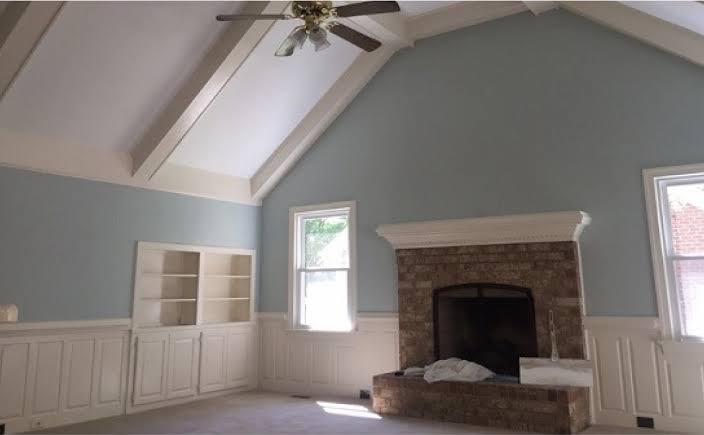
Professional residential painting services include the preparation, painting, and finishing of interior and exterior surfaces in houses, townhomes, condominiums, and other residential properties.
These services commonly cover:
-
- Interior painting: Living rooms, bedrooms, kitchens, bathrooms, hallways, ceilings, and trim.
-
- Exterior painting: Siding, shutters, exterior doors, fascia, and other paintable surfaces.
-
- Cabinet painting: Updating kitchen and bathroom cabinets without necessarily replacing them.
-
- Surface preparation: Cleaning, sanding, scraping loose paint, filling minor imperfections, and priming.
-
- Color consultation: Helping homeowners choose colors and finishes that complement their homes.
-
- Protective coatings: Selecting appropriate paints for surfaces exposed to moisture, sunlight, and everyday wear.
The right painting contractor considers the home’s condition, the intended appearance, and the environment before recommending a painting solution.
1. Achieve a Professional, Long-Lasting Finish
One of the biggest reasons to hire professional residential painters is the quality of the finished work. Professional painters understand how to prepare surfaces, apply paint evenly, maintain clean edges, and create consistent coverage across large areas.
A quality paint job depends on several factors, including surface condition, primer selection, paint quality, application technique, and drying conditions.
Professional painters typically pay attention to details such as:
-
- Smooth walls without obvious roller marks.
-
- Clean lines around ceilings, windows, and trim.
-
- Even color throughout each room.
-
- Proper coverage over existing paint.
-
- Fewer visible brush strokes, drips, and uneven patches.
Why does this matter? A carefully executed paint job looks better immediately and can help reduce premature peeling, cracking, and uneven wear when the correct products and preparation methods are used.
Real-life example
Imagine a Chesapeake homeowner repainting a family room from dark blue to a warm off-white. Without adequate preparation and the right primer, the darker color may remain visible through the new coating, forcing the homeowner to apply additional coats.
A professional painter can assess the existing finish, recommend the appropriate primer, and plan the number of coats needed for consistent coverage. The result is a cleaner finish with fewer avoidable touch-ups.
2. Protect Your Home Against Chesapeake’s Climate
Chesapeake’s coastal Virginia climate can create challenges for exterior paint. Humidity, rain, sunlight, and temperature fluctuations can affect how paint adheres, dries, and performs over time.
Professional exterior painters understand that durable results require more than choosing an attractive color. They must also consider the substrate, moisture levels, weather conditions, and the coating manufacturer’s application instructions.
Important climate-related considerations include:
-
- Humidity: Excess moisture can interfere with drying and curing.
-
- Rainfall: Painting before a suitable dry period may compromise the finish.
-
- Sun exposure: Strong sunlight can contribute to fading and coating deterioration.
-
- Temperature changes: Conditions outside the product’s recommended application range can affect performance.
-
- Moisture-prone surfaces: Wood siding and trim may require careful inspection for deterioration or moisture damage.
Professional painters select exterior products appropriate for the surface and local conditions, then schedule the work around suitable weather.
For example, if a homeowner notices peeling paint on exterior window trim after several wet seasons, simply covering the peeling areas may not solve the problem. A contractor should investigate the existing coating and possible moisture sources, prepare the affected surface, and use a suitable primer and exterior paint.
The key takeaway: Professional painting can improve exterior appearance and protection, but lasting results also depend on sound surfaces, moisture control, and proper maintenance.
3. Save Time and Reduce the Stress of Painting
Painting an entire house or several rooms can take considerably longer than many homeowners expect. Moving furniture, covering floors, preparing walls, taping edges, applying multiple coats, and cleaning equipment all require time and attention.
Professional residential painting services help homeowners avoid managing every stage of the project themselves.
A typical painting project may involve:
-
- Inspecting the rooms or exterior surfaces.
-
- Moving or protecting furniture and belongings.
-
- Cleaning, sanding, patching, and priming surfaces as needed.
-
- Applying the specified paint system.
-
- Allowing appropriate drying time between coats.
-
- Completing touch-ups and cleaning the work area.
An experienced crew can often coordinate these tasks more efficiently than a homeowner working alone after work or on weekends.
Real-life example
Consider a family in Chesapeake preparing a three-bedroom home for relatives visiting in two weeks. The homeowners initially plan to repaint the bedrooms and hallway themselves, but they underestimate the time needed to repair wall imperfections, move furniture, and apply multiple coats.
Hiring professional painters gives them a defined project schedule and reduces the amount of work they must complete personally.
Actual timelines depend on the home’s size, surface condition, crew size, paint system, and weather. A reputable contractor should explain the expected schedule before work begins.
4. Get Expert Help Choosing the Right Paint and Colors
Choosing paint involves more than finding a color you like. Different surfaces and rooms require different product characteristics, and the wrong finish can make everyday maintenance more difficult.
Professional painters can help homeowners select appropriate colors, finishes, and coatings based on lighting, room use, existing materials, and cleaning requirements.
Common interior paint finishes include:
-
- Flat or matte: Helps minimize the appearance of minor surface imperfections and is often used in lower-traffic areas.
-
- Eggshell: Offers a subtle sheen and is commonly used in living rooms and bedrooms.
-
- Satin: Provides a more washable finish suitable for many busy household spaces.
-
- Semi-gloss: Often used on trim, doors, and surfaces that benefit from a harder, easier-to-clean finish.
-
- Gloss: Creates a reflective appearance that can highlight surface imperfections if preparation is inadequate.
The best finish depends on the product and the conditions of the room. Bathrooms and kitchens may require coatings designed to handle frequent cleaning and moisture exposure.
Color consultation can also help homeowners avoid expensive mistakes. A beige that looks warm under showroom lighting may appear gray in a north-facing bedroom. A bold accent color may feel overwhelming across an entire room but work beautifully on one wall.
Before committing to a full repaint, test sample colors in the actual room and observe them under different lighting conditions.
5. Improve Curb Appeal and Support Your Home’s Value
A home’s exterior creates the first impression for visitors, neighbors, and potential buyers. Faded siding, peeling trim, and a worn front door can make an otherwise well-maintained property look neglected.
Professional exterior painting can help restore a clean, coordinated appearance and improve the way a property presents itself.
It can be particularly beneficial when homeowners want to:
-
- Prepare their homes for sale.
-
- Refresh an older exterior.
-
- Modernize outdated colors.
-
- Coordinate siding, shutters, doors, and trim.
-
- Improve the appearance of weathered exterior surfaces.
Real-life example
Suppose a homeowner is preparing to list a Chesapeake property. The siding remains structurally sound, but the trim is faded and the front door has chipped paint.
Instead of replacing all the siding, the homeowner may be able to improve the property’s appearance through targeted repairs and repainting. A professional can assess which surfaces are suitable for repainting and recommend a coordinated color scheme.
Painting does not guarantee a particular increase in property value or sale price. However, a well-maintained appearance can help a home make a stronger first impression.
6. Avoid Costly Painting Mistakes
DIY painting may appear less expensive at first, but mistakes can increase the total cost of a project.
Common painting problems include applying paint over dirty surfaces, skipping necessary primer, failing to repair peeling coatings, choosing an unsuitable product, and painting under poor weather conditions.
These mistakes may result in uneven coverage, premature peeling, visible patches, or the need to repaint sooner than expected.
Professional painters reduce these risks by assessing surfaces before application and following appropriate preparation and coating procedures.
Common problems professionals help prevent include:
-
- Paint bleeding through from an old color.
-
- Uneven coverage caused by inconsistent application.
-
- Peeling over poorly prepared surfaces.
-
- Rough finishes caused by inadequate sanding.
-
- Paint splatters on floors, fixtures, and furniture.
-
- Premature exterior coating failure caused by unsuitable conditions.
Professional services cannot eliminate every possible problem, especially when underlying moisture damage or structural defects are present. However, a thorough inspection and clear scope of work can help identify concerns before they become more expensive.
7. Benefit From Better Surface Preparation
Surface preparation is one of the most important parts of a successful painting project. Even high-quality paint may fail when applied over loose coatings, dirty surfaces, damaged drywall, or damp materials.
Professional residential painters assess what each surface needs before painting begins.
Depending on the condition of the home, preparation may include:
-
- Removing loose or peeling paint.
-
- Cleaning dirt, grease, and other contaminants.
-
- Sanding rough areas.
-
- Filling small holes and cracks.
-
- Caulking appropriate gaps around trim.
-
- Applying primer to bare or repaired surfaces.
-
- Protecting floors, landscaping, windows, and fixtures.
Exterior preparation deserves particular attention in Chesapeake because moisture can contribute to peeling paint and deterioration of exposed wood.
For older homes, contractors should also consider whether existing coatings may contain lead. In the United States, homes built before 1978 may contain lead-based paint. Renovation work that disturbs such paint can require specific lead-safe practices and, where applicable, certified professionals.
Why preparation matters: Painting over a problem does not necessarily fix it. Proper preparation creates a better foundation for the new coating and helps reveal issues that may need separate repairs.
8. Enjoy More Consistent Results Across Your Home
When multiple rooms need painting, consistency matters. Differences in color, sheen, and application technique can make connected spaces look mismatched.
Professional painters can help maintain a consistent finish throughout the home, especially when several rooms, ceilings, doors, and trim surfaces are included in one project.
They can also help coordinate colors between connected spaces without making every room look identical.
For example, a homeowner may choose a soft neutral for the living room, a slightly deeper shade for the dining room, and a complementary color for the hallway. A professional can help ensure these choices work together under the home’s existing lighting.
Consistency is particularly important in open-concept homes, where the kitchen, dining area, and living room are visible simultaneously.
9. Increase Convenience With Professional Cleanup and Project Management
Professional painting services can make a renovation feel less disruptive by organizing the work and keeping the project area manageable.
Depending on the contractor and the agreement, services may include furniture protection, floor coverings, daily cleanup, organized work areas, and a final walkthrough.
Before hiring a painting company, ask how the crew will protect your belongings and whether cleanup is included in the estimate.
A well-managed project should establish expectations for:
-
- Furniture movement and protection.
-
- Access to rooms during painting.
-
- Ventilation and drying time.
-
- Daily work hours.
-
- Disposal of paint containers and other waste.
-
- Final touch-ups and inspection.
Families with children, pets, or work-from-home arrangements should discuss scheduling in advance. For interior projects, low-odor or low-VOC paint options may also help reduce unpleasant smells, although proper ventilation and product-specific precautions remain important.
The goal is not simply to finish painting. It is to complete the work with as little unnecessary disruption to your household as possible.
10. Get Better Long-Term Value From Your Painting Investment
Professional painting may involve a higher upfront expense than doing the work yourself, but the total value depends on workmanship, materials, preparation, and how long the finish performs as expected.
A low-cost paint job that requires extensive repairs or repainting sooner than anticipated may not be the most economical option.
When evaluating painting estimates, consider the complete scope of work rather than comparing the final price alone.
A detailed estimate should identify:
-
- Surfaces and rooms included in the project.
-
- Preparation and repair work.
-
- Primer and paint specifications.
-
- Number of coats included.
-
- Areas requiring special treatment.
-
- Estimated project duration.
-
- Cleanup responsibilities.
-
- Warranty coverage, if offered.
For example, two contractors might provide different estimates for repainting a home’s exterior. One may include scraping, sanding, spot priming, and two finish coats where required, while another may quote only basic preparation and painting.
Although the second estimate may look cheaper, the difference in preparation and scope could affect the finished result.
Smart approach: Compare written estimates line by line and ask questions about anything unclear before signing a contract.
DIY Painting vs. Professional Residential Painting Services
Should you paint your home yourself or hire a professional? The right choice depends on the size of the project, your experience, available time, surface conditions, and expectations for the final finish.
| Factor | DIY Painting | Professional Painting |
| Initial expense | Usually lower labor costs | Includes professional labor and project overhead |
| Time commitment | Requires your own preparation, painting, and cleanup time | Crew handles the agreed-upon work |
| Surface preparation | Depends on your knowledge and effort | Experienced painters assess and prepare surfaces |
| Equipment | You purchase or rent supplies | Contractor generally provides the required equipment |
| Finish quality | Depends on experience and technique | Professional techniques can deliver more consistent results |
| Exterior painting | Requires careful weather planning and safe access | Professionals can manage application conditions and appropriate access equipment |
| Complex repairs | May require additional expertise | Contractors can identify issues and clarify which repairs are included |
| Best suited for | Small, straightforward projects | Large projects, detailed finishes, and demanding exterior work |
When is DIY painting a reasonable choice?
DIY painting can be practical when you are repainting one small room, working with sound walls, using a similar color, and have enough time to prepare and finish the project carefully.
It may also suit homeowners who enjoy painting and already have the necessary tools.
When should you hire professional painters?
Professional services are often the better choice when:
-
- You need to repaint several rooms or an entire home.
-
- Exterior surfaces show peeling, cracking, or weather damage.
-
- You need detailed trim work or a high-quality cabinet finish.
-
- Your property has high ceilings or difficult-to-reach areas.
-
- You have a tight deadline.
-
- You suspect moisture damage or lead-based paint.
For older homes, complex repairs, and exterior work involving ladders or elevated surfaces, professional assessment can be especially valuable.
The bottom line is simple: DIY painting can save on labor for manageable projects, while professional services offer expertise, efficiency, and a coordinated approach for more demanding work.
How to Choose the Right Residential Painting Contractor in Chesapeake, VA
Choosing the right painting contractor is just as important as choosing the right paint. A reliable professional should explain the process clearly, provide a written estimate, and answer questions about preparation, materials, and project expectations.
Use this checklist when comparing residential painting companies.
1. Verify licensing and insurance where applicable. Ask for relevant Virginia contractor licensing information and proof of insurance. Confirm that the contractor’s credentials match the scope of the proposed work.
2. Review local experience. Look for experience with residential properties in Chesapeake and the wider Hampton Roads region, particularly when you need exterior painting suited to local weather conditions.
3. Request a detailed written estimate. Make sure the proposal identifies preparation, products, coats, surfaces, repairs, and cleanup.
4. Ask about paint products. Find out which products will be used, why they are suitable, and whether the contractor offers options at different price points.
5. Examine previous projects. Review photographs and, where possible, references for projects similar to yours.
6. Understand the warranty. Ask what is covered, how long coverage lasts, and what exclusions apply. Get the details in writing.
7. Evaluate communication. A professional contractor should respond clearly, explain potential problems, and establish a realistic schedule.
8. Avoid choosing on price alone. An unusually low quote may exclude important preparation or repairs. Compare the full scope before making a decision.
For older homes, ask about lead-safe renovation requirements if the work may disturb lead-based paint. EPA-certified lead-safe practices may be required for covered renovation work in pre-1978 housing.
When Is the Best Time to Paint a Home in Chesapeake, VA?
The best time to paint depends on whether the project is indoors or outdoors.
Interior painting can generally take place throughout the year when the home has suitable ventilation, temperature, and humidity conditions for the selected paint.
Exterior painting requires more careful scheduling because rain, humidity, direct sunlight, and temperature affect application and drying.
Spring and fall can offer favorable conditions for exterior painting in Chesapeake, but neither season guarantees suitable weather every day. Product instructions and actual conditions should guide the schedule.
Before an exterior project, ask your contractor:
-
- Are temperatures expected to remain within the paint manufacturer’s recommended range?
-
- Is rain likely before the coating can withstand exposure?
-
- Will humidity affect application or drying?
-
- Can the work be scheduled to avoid excessive direct sunlight on the surface?
-
- Are the surfaces dry enough to paint?
A professional painter should be prepared to adjust the schedule when conditions are unsuitable rather than rush the application.
What Does Residential Painting Cost in Chesapeake, VA?
The cost of residential painting in Chesapeake depends on the project’s size, surface condition, paint quality, preparation requirements, and labor involved.
There is no single price that accurately represents every home. Painting a small bedroom is substantially different from repainting a two-story exterior with peeling trim and damaged wood.
Common factors affecting painting costs include:
-
- Total square footage and number of rooms.
-
- Ceiling height and architectural details.
-
- Interior versus exterior painting.
-
- Amount of scraping, sanding, patching, or priming required.
-
- Number of colors and finish types.
-
- Accessibility of the surfaces.
-
- Paint and coating specifications.
-
- Repairs that must be completed before painting.
To receive a useful estimate, provide the contractor with the approximate size of the project, photographs if requested, your preferred colors, and details about any visible damage.
Request at least two or three comparable written estimates when practical. This makes it easier to identify differences in labor, materials, preparation, and warranty coverage.
Remember that painting is not a substitute for repairing leaks, rotten wood, failing siding, or other underlying problems. Those issues should be evaluated and addressed before the affected surfaces are repainted.
Final Thoughts: Give Your Chesapeake Home the Finish It Deserves
Professional residential painting services in Chesapeake, VA, offer more than a fresh coat of color. They can help homeowners improve appearance, protect suitable surfaces, reduce project-related stress, and make informed decisions about paint products and maintenance.
From refreshing an outdated living room to protecting weather-exposed siding, the best results begin with careful planning and thorough preparation.
Before starting your next project, assess your home’s condition, decide which areas need attention, and compare qualified painting contractors based on their experience, written estimates, and proposed work.
Ready to refresh your home? Contact a qualified residential painting contractor in Chesapeake, VA, to discuss your goals, request a detailed estimate, and develop a painting plan that fits your home, schedule, and budget.